
To an outsider, the term ‘manual handling’ might sound like it pertains to physically moving heavy loads. While this is often true, it’s only part of the story. In high-pressure environments involving material goods – from fast-paced distribution centres and factories to smaller yet equally dynamic stockrooms or garden centres – manual handling tasks are widespread. So, what exactly is manual handling all about? And what does it mean for proactive employers, supervisors, or workplace safety representatives?
Good questions. In this guide, I’ll be drawing on 30 years in the materials handling sector to answer them, explaining the most common types of manual handling tasks, how to approach them safely, and what a business needs to consider to stay compliant with the law. Let’s hop to it.
Skip ahead to:
- TL;DR
- What is Manual Handling?
- Understanding Manual Handling in the Workplace
- Improving Manual Handling Techniques
- When to Use Electric Pallet Trucks Instead
- The Bottom Line & Next Steps for Employers
- Frequently Asked Questions
TL;DR
Manual handling refers to tasks involving the physical transportation of loads, either by lifting, lowering, carrying, pushing or pulling. Under the Manual Handling Operations regulations, employers must reduce the risk of strain and injury by limiting such tasks where “reasonably practicable” and streamlining them with equipment like pallet trucks.
What is Manual Handling? A Straightforward Definition
Manual handling is when a worker lifts, lowers, carries, pushes, pulls, supports or otherwise moves a load using their hands or bodily force.
For this reason, when a worker is undertaking a manual handling task, they’re essentially putting their body on the line – a notion I’ll explore more thoroughly when we come to addressing the common risks manual handling poses.
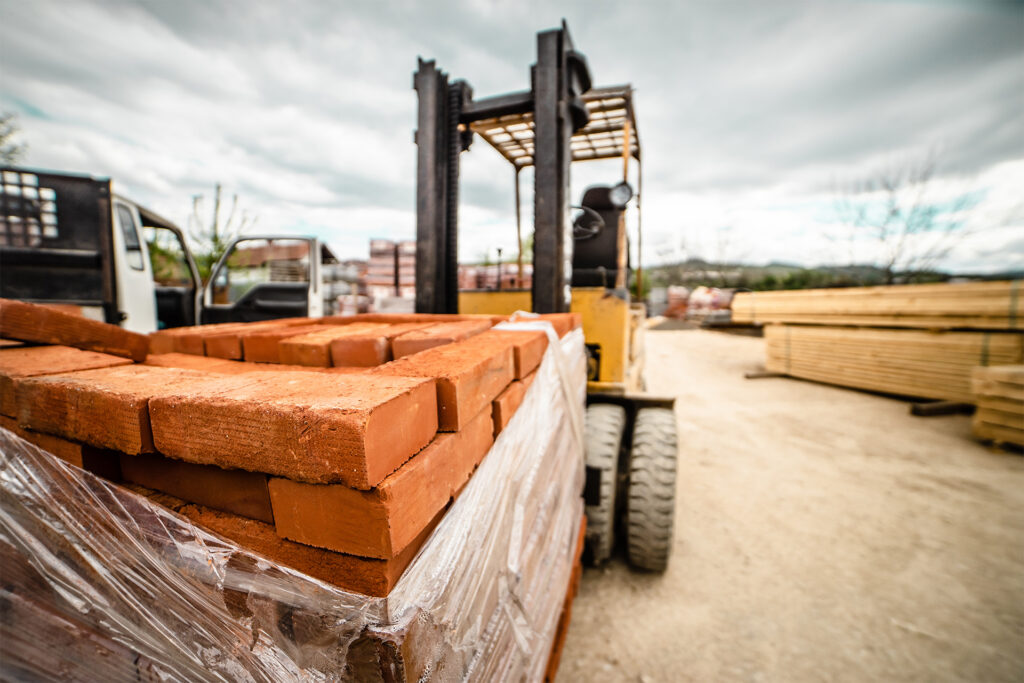
Types of Manual Handling Tasks: 7 Real-World Case Studies
As you might expect, there are a myriad of activities that fall under the umbrella of manual handling, which vary in risk, depending on the particular context of a given task.
To give you an example, a stockroom assistant may frequently undertake manual handling as they move boxes of inventory for restocking. On the other end of the spectrum, warehouse operatives might be charged with transporting pallets of goods to a loading bay, using materials handling equipment like a pallet truck, or even a type of forklift, if the load is especially heavy.
Here are some further case studies worth a mention.
- Assembling products on an assembly line
- Retrieving stock in an e-commerce distribution centre
- Patient handling in a healthcare context, such as repositioning, lifting and transferring clients from beds to wheelchairs or stretchers to chairs
- Lifting or lowering building materials like bricks, bags of cement, or heavy equipment on a construction site
- Moving food trolleys, cages of laundry, or kitchen equipment in hospitality or catering environments
- Loading and unloading vehicles with products, packages or pallets
- Animal care tasks such as guiding or restraining cattle
Put simply: if you or your employees are carrying and moving objects, equipment or, indeed, people, you’re dealing with manual handling – and that means serious consideration ought to be given to the potential risks that arise, your handling techniques and how senior personnel oversee these operations.

Understanding Manual Handling in the Workplace: Why Best Practices Matter
As I’ve established, manual handling goes on in some capacity across the majority of workplaces. While those in higher-risk industries such as logistics, construction and manufacturing tend to receive the spotlight, the importance of harm reduction through due process doesn’t waver between sectors.
In fact, the Health and Safety at Work Act 1974 ordains that all employers take “reasonable steps” to ensure the safety of staff, site visitors and anyone else affected by their work, manual handling included.
Against a backdrop of increasing workplace injuries, of which 17% in the 2024/25 period resulted from handling, lifting or carrying, risk prevention should be front of mind for all businesses. And not simply in economic terms – re: the £22.9 billion estimated annual losses to the UK economy – but because of the devastating human costs of chronic pain, long-term injury, work-related stress and psychological insecurity at work.
Potential Risks
To instil a proactive culture of care and a solid baseline of health and safety in your workplace, be it a warehouse, building yard or storage facility, a proper understanding of the risks is key. This way, senior staff can identify red flags, anticipate potential issues and set remedial action into motion promptly, all of which help mitigate accidents and injuries.
- Short-term or minor injuries like bruising, sprains and cuts
- Musculoskeletal disorders (MSDs), which can lead to early retirement, chronic pain and limited mobility/dexterity
- Slips, trips and falls, for instance, when a trolley or pallet truck unexpectedly moves when the brakes are not operated
- Damaged goods and equipment
- Reduced productivity via injury-related absence, prolonged equipment downtime, increased incident report write-ups and physical recovery from past workplace trauma
Each of the risks listed above can be caused by poor manual handling techniques, like incorrect posture or insufficient grip; notably, issues that are completely preventable with the right equipment and training.
Employer Compliance
No matter how small a business’s premises or how few staff it employs, managers are required to meet set safety standards for manual handling operations. Here, there are several intersecting regulations at play, each with a different scope, but in a nutshell, employers should make themselves familiar with:
- The Health & Safety At Work Act 1974
- Manual Handling Operations Regulations 1992 (as amended 2002)
- Management of Health and Safety Regulations 1999
- Working at Height Legislation 2005
- The Provision and Use of Work Equipment Regulations 1998 (PUWER)
Together, these laws advocate for worker safety and public assurance by making employers and site owners liable for harm caused on the premises or by business operations. Under this duty of care, they must:
- Avoid manual handling “where reasonably practicable” – i.e., removing the need for such tasks or automating them with the right equipment
- Implement measures to eliminate, mitigate and respond to hazards wherever possible
- Conduct activity-specific manual handling risk assessments
- Provide adequate equipment, PPE and manual handling training
- Ensure good housekeeping, clear communication between staff and a culture of prompt accident/risk reporting
- Improve environmental safety through efficient layouts and ergonomic flow, proper traffic management, and adequate lighting, signage and safety features such as railings for those working at height
- Reduce fatigue through automation or ergonomic equipment, task rotation and varied shift patterns
- Clear documentation and review procedures geared towards accountability and continual improvement
- Inspect and maintain equipment at regular intervals
Further reading: if you’re keen to learn more about how to reduce the risks associated with manual handling, I recommend downloading a copy of the HSE’s official guidebook, INDG143 – Manual Handling At Work. At 16 pages long, it summarises all of the fundamentals.
Staff Responsibility
Employers aren’t the only ones charged with health and safety duties; under the regulations discussed earlier, staff are liable for their own safety and those who may be affected by their actions.
Of course, they should also comply with their employers’ arrangements for risk mitigation. This includes informing your higher-ups of any situations you deem dangerous and using equipment properly as you were trained.
As Phil Chesworth, Managing Director of Pallet Truck Shop, said in a recent article on the subject of equipment and training:
“Safety is a shared responsibility. While employers must provide the right tools and training, employees should remain vigilant and adhere to established safety protocols. Cooperation is the cornerstone of a safe and productive workplace.”
Improving Manual Handling Techniques
If, in reading this article, you’ve realised that your workplace is lacking in policy or there are gaps in your procedures, it’s time to consult The Health and Safety Executive’s official guidance on manual handling techniques and methodology.
This will ensure that when you’re operating manual handling equipment like an electric pallet truck or stacking pallets on the ground or in a racking system, you’ll do so safely.
Here, I and other materials handling professionals recommend:
- The Manual Handling Assessment Charts (also called the MAC Tool), which details how to safely approach lifting/lowering, carrying and team handling operations.
- The Risk Assessment of Pushing and Pulling (the RAPP Tool), which explains the best practices for pushing and pulling operations.
Often, the difference between poor technique and effective, safe manual handling operations is intentionality, allowing you the time to evaluate the factors in play and carefully think through the process before acting.

When to Use Electric Pallet Trucks Instead
Since the official guidelines function on a prevention-first model, thinking of ways to eliminate the manual handling tasks required of staff should be the first port of call for managers and health and safety reps.
Besides redesigning loads for efficiency, picking the best pallet truck for the job can significantly improve working conditions for everyone on the ground. By eliminating physical strain on staff and relieving them of repetitive movement, overexertion becomes a thing of the past.
This is particularly beneficial when we consider broader factors such as an ageing workforce; older staff bring an invaluable depth of knowledge to the floor that employers can retain for longer by protecting their people with the most effective tools.
The Bottom Line & Next Steps for Employers, Managers & Safety Reps
So, to recap: what is manual handling? Distilled to its purest definition, manual handling is when a worker lifts, lowers, carries, pushes, pulls, supports or otherwise moves a load using bodily force.
While simple on the surface, manual handling isn’t quite so straightforward as directing an employee to carry an item from A to B; there has to be rhyme and reason behind the task and an evaluative element to assess potential risks as per the law.
To ensure that you tick all the boxes for compliance, your next steps should be to familiarise yourself with the HSE’s official guidance and learn how to conduct an effective manual handling risk assessment. Those in senior positions may also wish to enrol staff on RoSPA or CPD-approved manual handling courses to provide stakeholders with the assurance that everyone with health and safety interests on the premises is properly trained – protecting the business, people and property.
Is there a gap in your manual handling operations that could be filled with the right equipment? If so, our friendly customer service team is happy to talk through your requirements on 013384-841400. In the meantime, you can continue brushing up on your workplace health and safety knowledge over on the rest of our blog.
FAQs
How Can I Make Manual Handling Safer in My Workplace?
The simplest way to make manual handling operations safer is by redesigning the conditions of the task; either improving facility layouts to limit the movement required, altering load shapes and weight to make them easier to carry, or providing manual handling equipment like pallet trucks, stackers, and electronic lift tables to reduce the physicality needed.
Do Pushing & Pulling Tasks Count as Manual Handling?
Absolutely. Manual handling isn’t restricted to lifting and depositing loads, but also carrying, pushing and pulling them. Any task wherein a handler is supporting or transporting a load using bodily force falls under the definition.
Is Manual Handling Training a Legal Requirement?
Indeed, it is. Under the Manual Handling Operations Regulations or MHOR, employers are charged with the responsibility of ensuring their staff are appropriately trained as to reduce the risk of injury to themselves or others. This means instilling a proactive culture of care throughout the workforce and establishing best practice protocols for each manual handling activity.
What is the Correct Lifting Technique?
Also known as the ‘good handling technique’, the Health and Safety Executive advise following a set of best practices, which are as follows:
- Evaluating the task before lifting
- Removing any obstacles beforehand
- Keeping the load close to your waist for as long as possible when lifting
- Maintaining a stable position and solid grip on the load, resting it on a platform if you need to readjust your hands
- Bending at your hips and knees in a squat when lowering yourself
- Avoiding any twisting of the torso
- Keeping your head lifted straight ahead rather than bent to look at the load.
What are the Best Resources to Share Within My Team & Across My Organisation?
Since the HSE is the UK’s workplace safety regulator, you can trust that its guidance is both up to date and compliant. As such, it’s the best place to start – its Manual Handling Assessment Charts tool (MAC), TILEO framework, and pushing/pulling risk assessment tool, RAPP, are particularly effective.
If you’re an employee, getting in contact with your union health and safety reps is also a helpful way of knowing your rights as they pertain to manual handling.